AI-Powered ERP Automation: How Intelligent Workflows Are Replacing Manual Operations
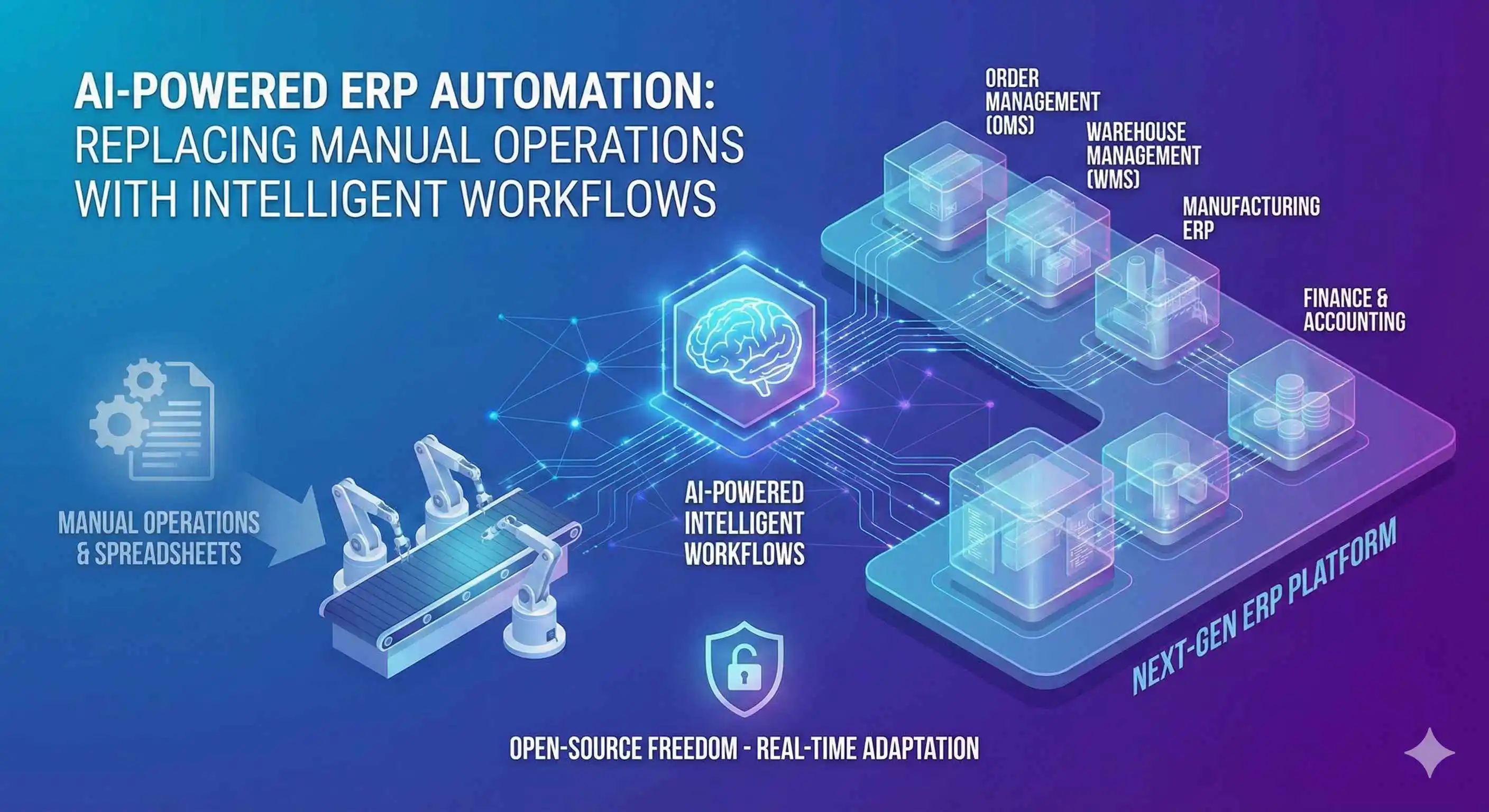
AI-Powered ERP Automation is transforming how organizations run daily operations by replacing manual, rule-heavy tasks with intelligent workflows that adapt in real time. Instead of relying on spreadsheets, approvals over email, and disconnected systems, modern enterprises are using Next-Gen ERP platforms to automate order processing, inventory decisions, production planning, and financial controls with built-in intelligence. This shift is not about adding complexity. It is about simplifying operations while making them faster, more accurate, and easier to scale.
What Is AI-Powered ERP Automation
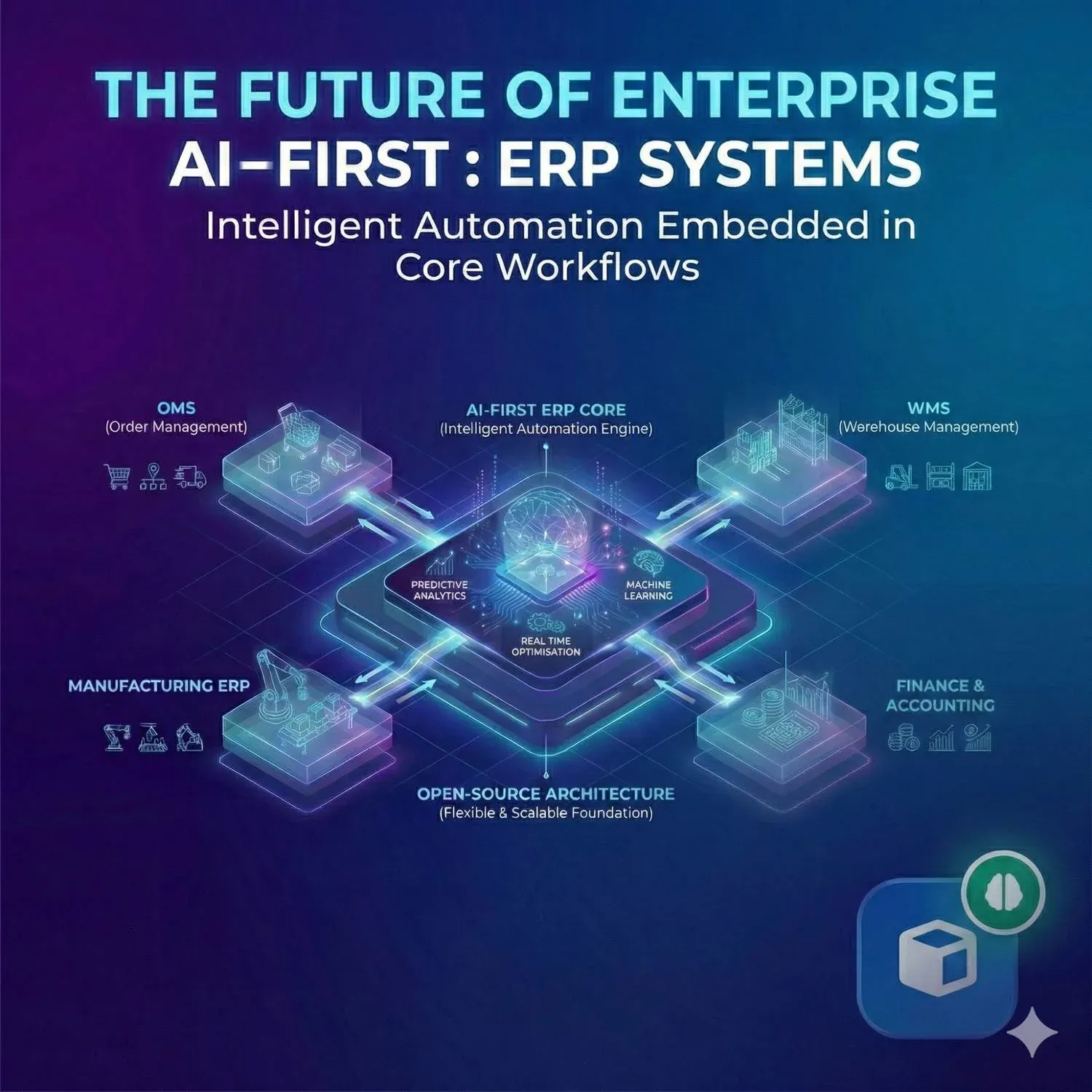
AI-Powered ERP Automation refers to the use of intelligent logic within an ERP system to execute, optimize, and continuously improve business workflows without constant human intervention. Unlike traditional ERP automation, which follows static rules, AI-driven ERP workflows learn from data, identify patterns, and adjust actions based on real-world conditions. In a Next-Gen ERP environment, automation is embedded across Order Management, Warehouse Management, Manufacturing, and Finance, creating a single operational brain for the business.
Why Manual Operations Are Becoming a Bottleneck
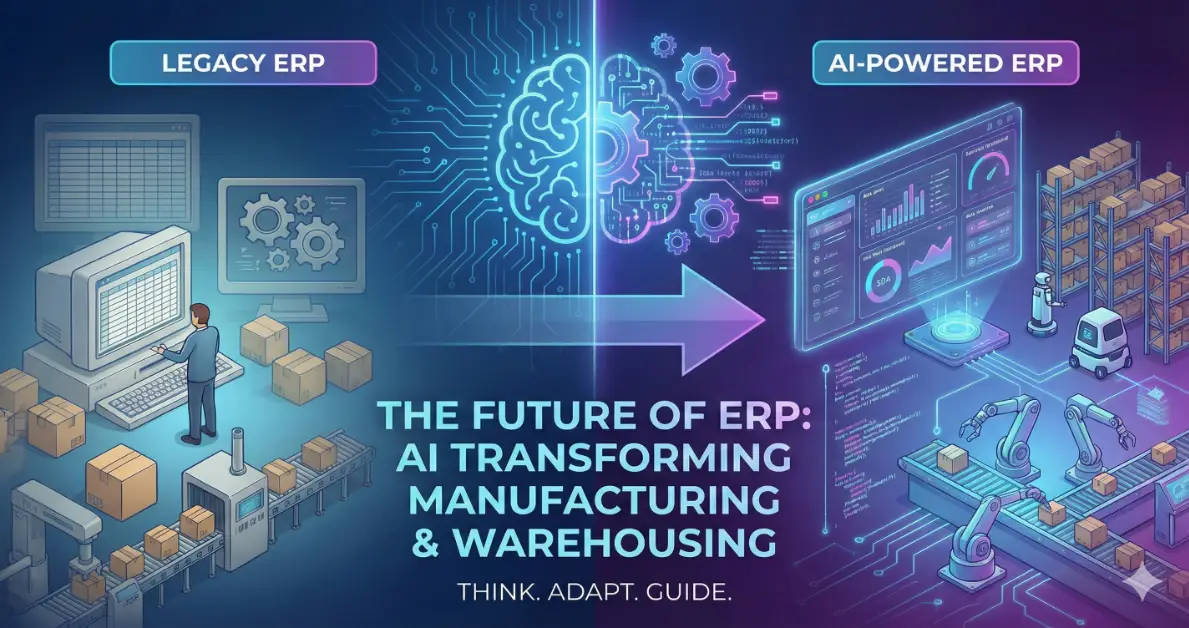
Manual processes slow businesses down in ways that are not always visible at first. Order entry errors, delayed inventory updates, reactive production planning, and manual reconciliations all compound as transaction volumes grow. Teams spend more time fixing issues than improving processes. Legacy ERP systems were never designed to handle real-time decision-making or high-frequency operational changes. As a result, businesses end up layering manual workarounds on top of rigid systems, increasing risk and operational cost.
How Intelligent ERP Workflows Actually Work
Intelligent ERP workflows connect data, decisions, and actions into a continuous loop. For example, when a customer order is placed, the ERP system can automatically validate pricing, check inventory across warehouses, reserve stock, trigger procurement if needed, and schedule fulfillment. AI-driven logic evaluates demand trends, supplier performance, and delivery constraints before deciding the best path forward. These workflows are not hardcoded. They are configurable and evolve as business conditions change, which is a core principle of Next-Gen ERP architecture.
AI Automation Across Core ERP Systems
In an Order Management System, AI-powered automation reduces manual order reviews, flags anomalies, and prioritizes high-risk orders for human attention. In Warehouse Management, intelligent workflows optimize picking routes, automate replenishment decisions, and maintain real-time inventory accuracy across locations. In Manufacturing ERP, automation aligns production schedules with demand forecasts, material availability, and shop floor capacity. In Finance, ERP automation handles reconciliations, compliance checks, and exception reporting with minimal manual effort. When these systems operate together within a unified ERP platform, operational silos disappear.
The Role of Open-Source ERP in Automation
Open-source ERP platforms such as Moqui and Apache OFBiz play a critical role in enabling intelligent automation. Their flexible data models and event-driven architectures allow businesses to design workflows that match real operational needs instead of forcing processes to fit software limitations. Open-source ERP automation also avoids vendor lock-in, giving organizations full control over how AI logic is implemented, extended, and governed. This flexibility is essential for long-term automation success, especially in industries with complex or evolving requirements.
Industry-Specific Impact of AI-Powered ERP Automation
Manufacturers use intelligent ERP workflows to reduce production delays, improve material planning, and respond faster to demand fluctuations. Retail and e-commerce businesses automate order routing, inventory balancing, and returns management across multiple channels. Healthcare organizations rely on ERP automation for compliance-driven workflows, procurement accuracy, and cost control. Financial services and real estate firms benefit from automated reporting, audit readiness, and contract lifecycle management. The value of AI-powered ERP automation lies in its ability to adapt workflows to each industry rather than offering one-size-fits-all processes.
From Task Automation to Decision Automation
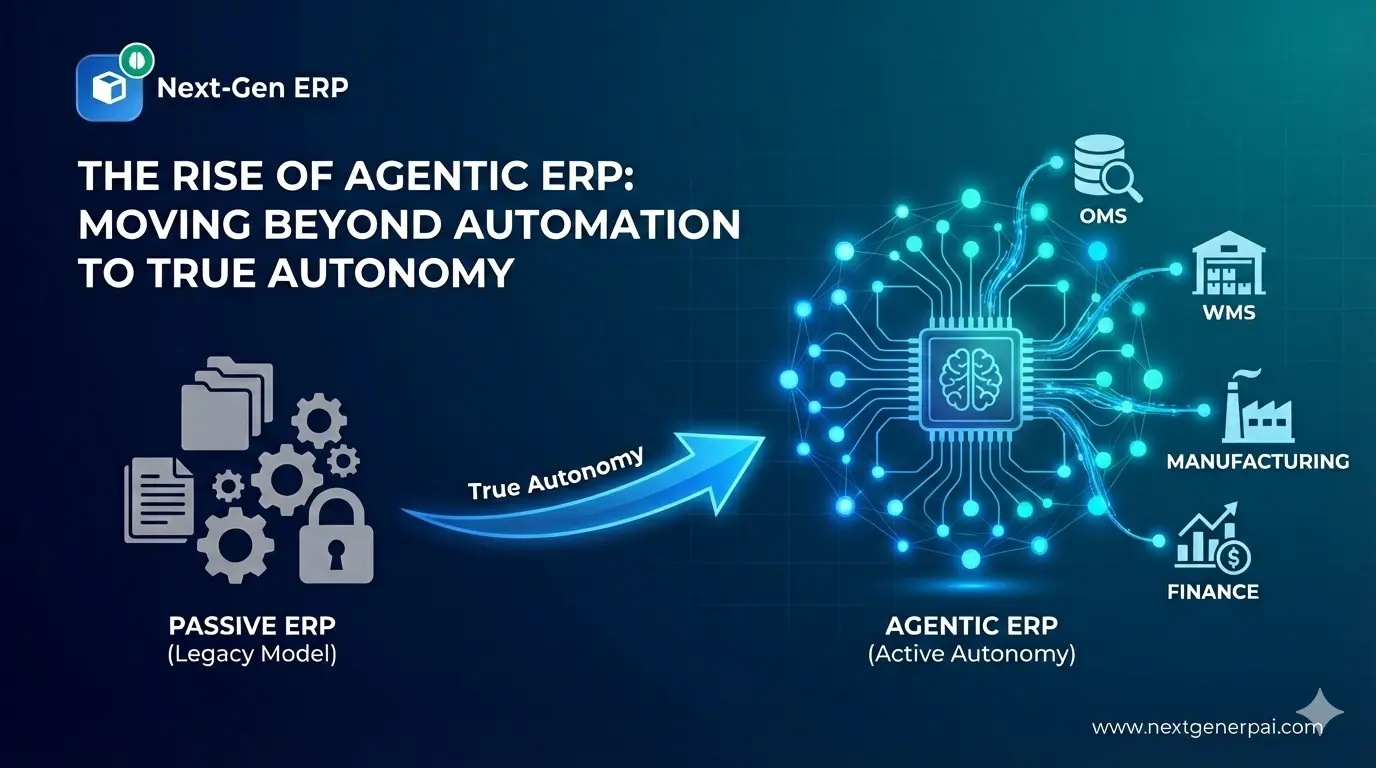
The real shift happening today is from automating tasks to automating decisions. Traditional automation reduces manual effort. AI-powered ERP automation improves outcomes. Intelligent workflows can recommend actions, predict issues before they occur, and support leadership with real-time operational insights. This creates a system where humans focus on strategy and exceptions while the ERP platform handles execution at scale. Next-Gen ERP systems are designed precisely for this balance between control and autonomy.
Why Businesses Are Moving to Next-Gen ERP?
Businesses choose Next-Gen ERP because it delivers faster implementations, lower total cost of ownership, and measurable operational improvements. Intelligent automation reduces dependency on manual labor, improves data accuracy, and supports growth without proportional increases in overhead. With open-source foundations and AI-driven workflows, organizations gain a future-ready ERP platform that evolves alongside their business instead of holding it back.
The Future of ERP Operations
AI-Powered ERP Automation is no longer a competitive advantage reserved for large enterprises. It is becoming a foundational requirement for efficient, scalable operations. As intelligent workflows replace manual operations, ERP systems will move from being record-keeping tools to active operational partners. Businesses that adopt this approach early will operate with greater speed, clarity, and resilience in an increasingly complex environment.