Open-Source ERP vs Proprietary ERP: Why Businesses Are Rethinking Vendor Lock-In
Introduction: Why This Comparison Matters Right Now
When business leaders compare open-source ERP vs proprietary ERP today, the discussion is no longer only about licensing costs. The real concern is control. Many organizations feel constrained by rigid systems, long upgrade cycles, and vendors that dictate how fast or slow innovation can happen. Vendor lock-in has quietly become one of the biggest risks in enterprise software. As companies aim for agility, automation, and future readiness, they are rethinking whether proprietary ERP systems still serve their long-term interests. This shift is driving renewed interest in open-source ERP as the foundation for Next-Gen ERP strategies.
What Is Vendor Lock-In in ERP Systems?
Vendor lock-in occurs when a business becomes overly dependent on a single ERP provider for software, upgrades, integrations, data access, and even basic process changes. In proprietary ERP environments, core logic, data models, and extensions are tightly controlled by the vendor. Switching systems becomes expensive, time-consuming, and operationally risky. Over time, companies adapt their processes to the software rather than the software adapting to the business. This directly limits innovation, scalability, and responsiveness to market changes.
How Proprietary ERP Systems Create Long-Term Constraints
Proprietary ERP platforms are typically delivered as closed systems. Customizations require vendor-approved tools, certified consultants, and costly upgrade paths. Licensing fees increase as the business grows, often tied to users, transactions, or modules. Integrations with modern systems like advanced WMS, AI-driven forecasting tools, or custom OMS layers can be complex and restricted. Data ownership is another hidden issue, where accessing or restructuring data outside the vendor ecosystem becomes difficult. These constraints accumulate over time and reduce strategic flexibility.
What Makes Open-Source ERP Fundamentally Different
Open-source ERP is built on transparent codebases and open architectures. Businesses are free to modify workflows, extend functionality, and integrate with external systems without vendor-imposed limitations. Instead of fixed modules, open-source platforms like Moqui or Apache OFBiz support modular, service-oriented designs that align naturally with modern ERP needs. This approach enables organizations to build exactly what they need while maintaining full ownership of their ERP logic and data. Open-source ERP shifts control back to the business.
Open-Source ERP vs Proprietary ERP: A Practical Comparison
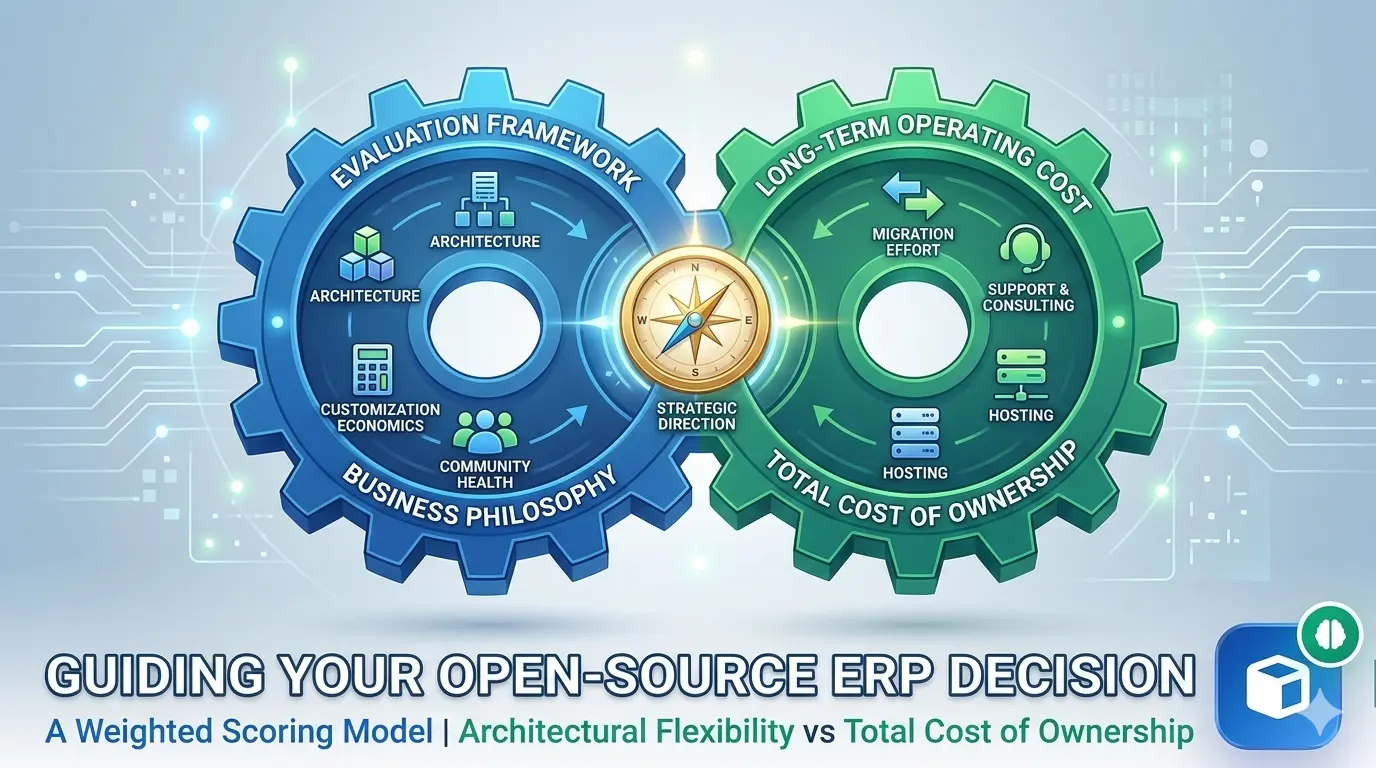
The core difference between open-source ERP vs proprietary ERP lies in adaptability. Proprietary ERP prioritizes standardization and vendor control, which may suit stable environments but struggles with change. Open-source ERP prioritizes flexibility and extensibility, making it ideal for evolving business models. Cost structures also differ significantly. Proprietary ERP comes with recurring license fees and upgrade costs, while open-source ERP focuses on implementation, customization, and support, leading to lower total cost of ownership over time. Most importantly, open-source ERP removes forced dependency on a single vendor, allowing businesses to choose partners based on expertise rather than contracts.
Why Modern Businesses Are Actively Avoiding Vendor Lock-In
Digital transformation demands speed. Manufacturers need real-time production insights through MES. Retailers require tightly integrated OMS and WMS layers. Healthcare and financial services demand compliance-ready yet adaptable systems. Vendor lock-in slows all of this down. Open-source ERP enables faster iterations, AI-driven automation, and continuous improvement without waiting for vendor roadmaps. This freedom is especially critical for companies planning long-term growth, acquisitions, or geographic expansion.
Open-Source ERP as the Foundation for Next-Gen ERP
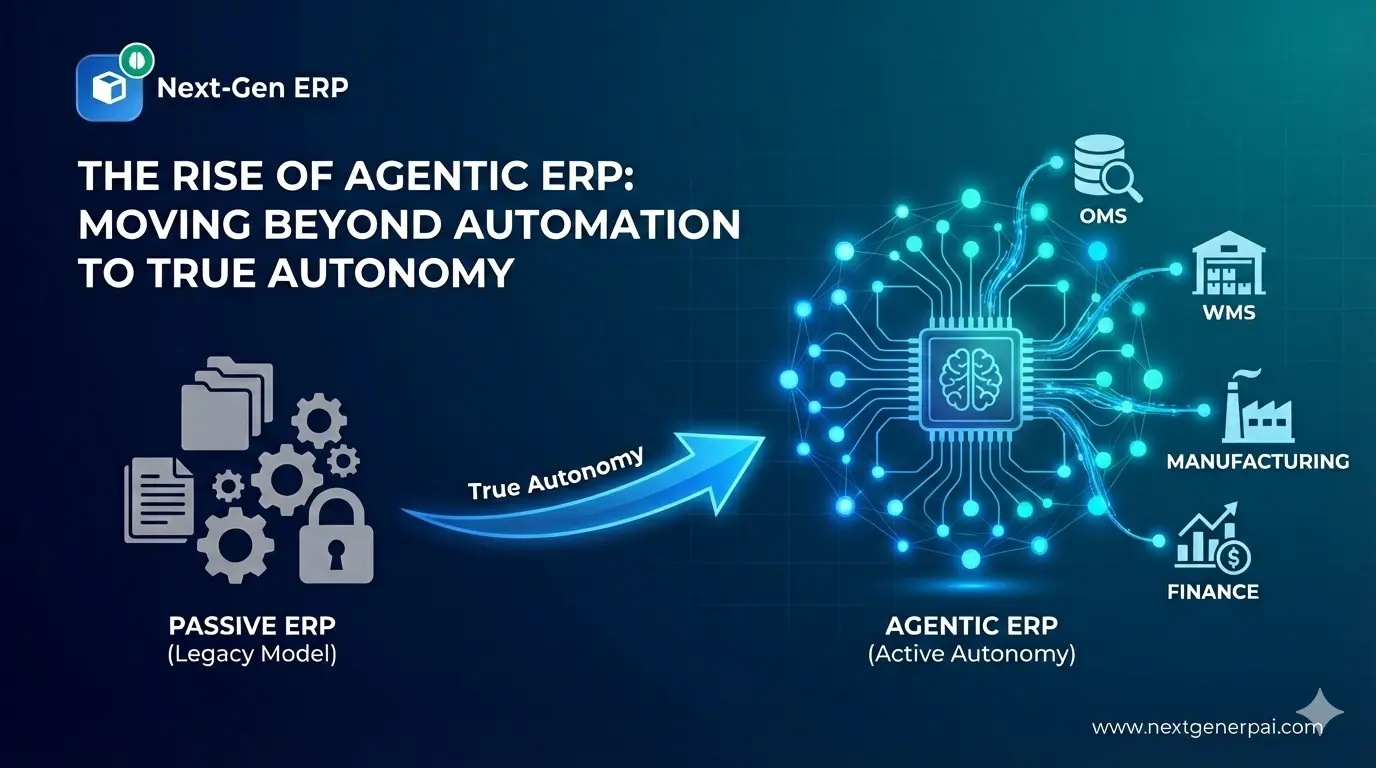
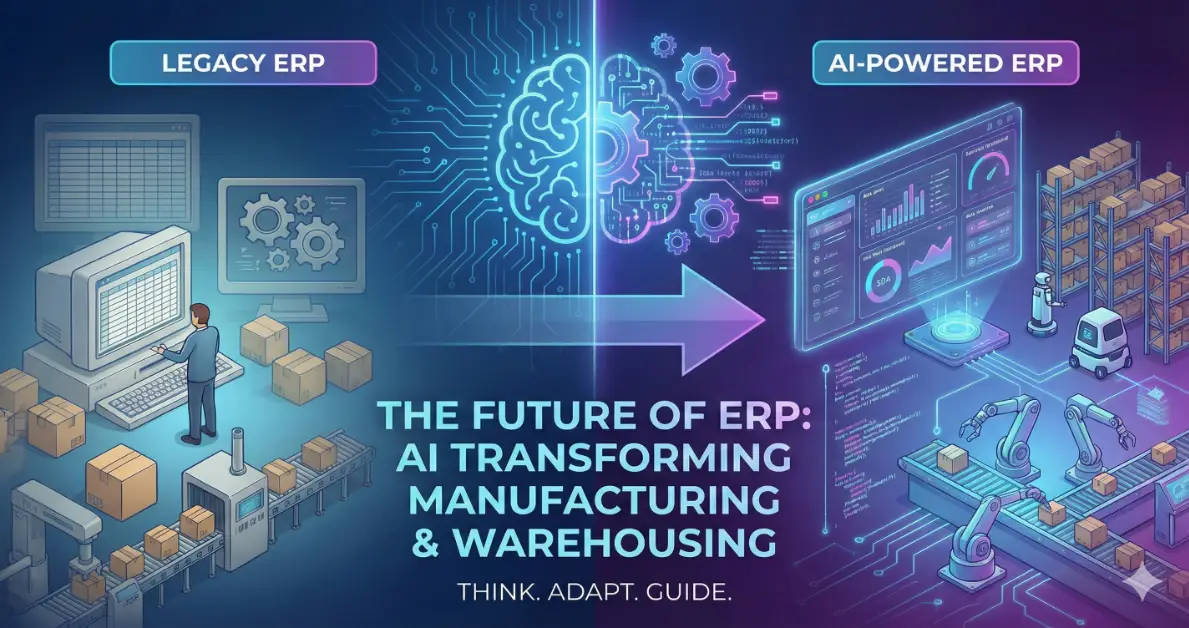
Next-Gen ERP builds on open-source principles to deliver modular systems that combine OMS, WMS, Manufacturing ERP, and AI-powered automation into a unified platform. Open-source architecture allows these systems to evolve independently while remaining tightly integrated. AI automation layers can analyze operational data, predict demand, optimize inventory, and automate workflows without being constrained by proprietary limitations. This is why open-source ERP is not just an alternative, but the backbone of future-ready enterprise systems.
Real-World Impact Across Industries
In manufacturing, open-source ERP enables custom production workflows, real-time shop floor integration, and flexible BOM management. In e-commerce and retail, it supports rapid channel integrations and scalable order management. Healthcare organizations benefit from adaptable compliance workflows and secure data control. Financial services and education institutions gain long-term cost predictability and system transparency. Across industries, the ability to evolve without renegotiating vendor terms is a decisive advantage.
Migrating from Proprietary ERP to Open-Source ERP
ERP migration is often perceived as risky, but the greater risk lies in staying locked into systems that no longer support growth. A structured migration approach focuses on preserving critical data, mapping business processes, and gradually replacing proprietary components with open-source equivalents. With the right expertise, businesses can modernize their ERP landscape while minimizing disruption. Migration becomes a strategic reset rather than a technical burden.
Why Next-Gen ERP Partners Matter More Than Vendors
Choosing open-source ERP does not mean navigating complexity alone. It means working with implementation partners who understand business processes, industry challenges, and open-source ecosystems. Next-Gen ERP positions itself as a long-term partner that designs, builds, and evolves ERP systems using open-source foundations, AI automation, and modular architecture. The focus stays on outcomes, not licenses.
The Future: Control, Flexibility, and Intelligence
The debate around open-source ERP vs proprietary ERP reflects a broader shift in enterprise thinking. Businesses want systems they can control, adapt, and extend as strategies evolve. Vendor lock-in is increasingly viewed as a strategic liability. Open-source ERP, combined with AI-driven automation and Next-Gen ERP principles, offers a clear path toward resilient, intelligent, and future-ready operations.